Summer daylight
Longer evenings suit post-dinner walks. Use sunscreen and hydration during lunch loops; midday heat may push outdoor time to morning or dusk.

Plan movement for your whole day — not just one gym session.
A good plan fits how you already live, then adds easy movement at times you can remember.
Start by sketching a weekday on paper: wake time, commute, deepest focus block, lunch, school runs, and screen-heavy evenings. Most Rotorua and wider New Zealand clients discover two or three “stuck” zones where they sit ninety minutes without standing. Those zones become priority break slots — not because a chart says so, but because they match real fatigue patterns.
We label each anchor with an activity type: a morning wake-up, a midday refresh, and an evening wind-down. Activation might be two minutes of arm circles and calf raises before opening email. Maintenance could be a five-minute walk around the block after lunch. Downshift is often a slow neighbourhood loop to separate work mind from home mind — especially valuable when your desk is in the living room.
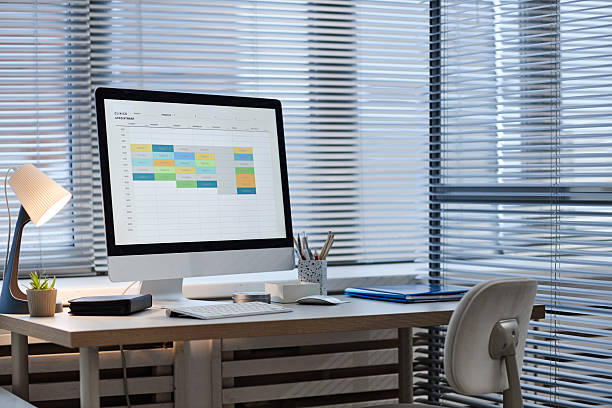
A starter plan many people tweak in their first session with us.
Add one two-minute mobility break after your first hour at the desk. Track energy at 11 a.m. and 3 p.m. on a simple 1–5 scale.
Introduce a five-minute outdoor walk at lunch if weather is safe. Keep footwear by the door as a visual cue.
Repeat Monday’s break pattern and note whether focus improved during the afternoon meeting block.
Review the week: keep breaks that felt easy, drop any that clashed with deadlines. No guilt for partial weeks.
Week two might add a second break window or extend lunch walks to eight minutes. Progression is linear only on paper — real life zigzags, and plans should bend without breaking.
Light, rain, and temperature change what is possible outside — build in a backup.
Longer evenings suit post-dinner walks. Use sunscreen and hydration during lunch loops; midday heat may push outdoor time to morning or dusk.
Walk the Corridors, stair climbs, and living-room mobility replace garden paths. Layer clothing for quick outdoor breathers when rain eases.
We document indoor alternatives beside every outdoor option so a wet Bay of Plenty afternoon does not stall your rhythm entirely.
We build flexible “if-then” rules: if no morning gap, use the first five minutes after lunch. Plans survive shift work by anchoring to events, not clock times.
A paper tick chart or calendar reminder works well. Apps are optional, not required.
Evening walks often become shared. Daytime blocks stay individual because work contexts differ.
Bring your weekly calendar to a consultation and leave with a printed one-page rhythm map — including backup options for busy days.
Book a Session
Service notice: We offer lifestyle movement consultations only — not medical or therapeutic treatment. Fees are confirmed in writing before you pay. Individual results vary. About our business · Terms · Privacy